iPhone 18 Series Repair Difficulty: What Malaysian Technicians Need to Know Before Accepting a Single Unit
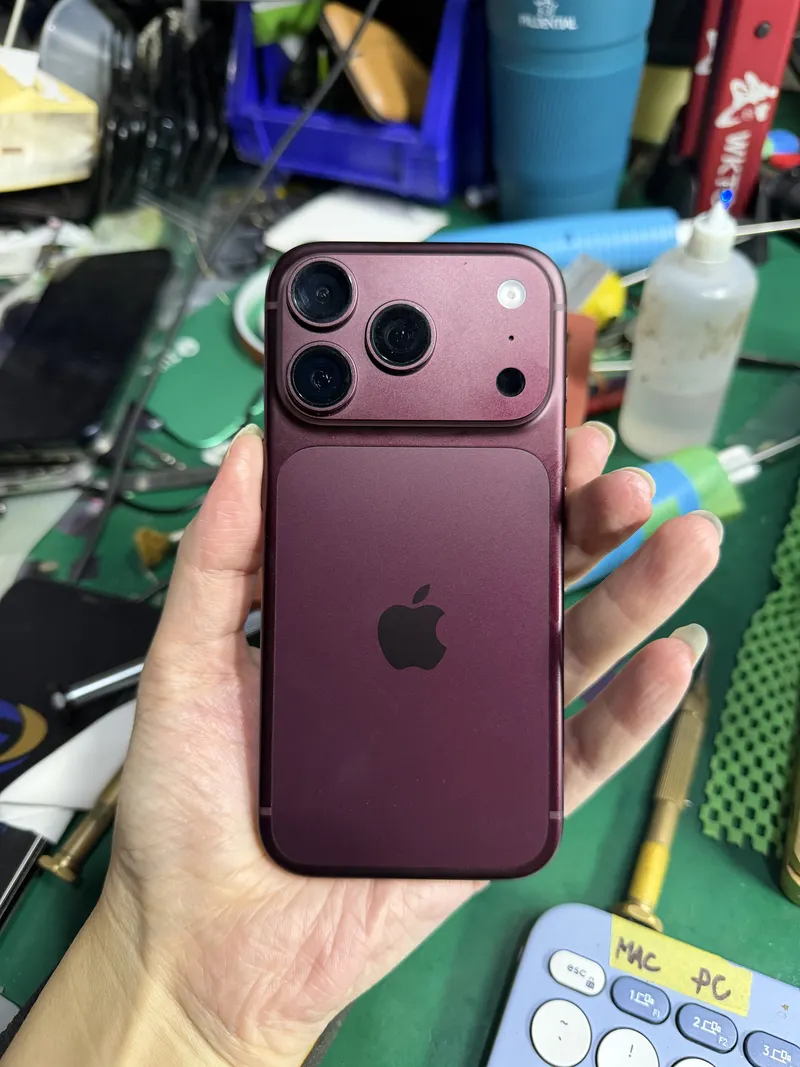
The iPhone 18 Pro and iPhone 18 Pro Max have arrived, and every repair shop in Malaysia is already getting the same question from customers: can you fix it? The honest answer is complicated. Not because the phones are impossible to repair, but because the internal layout has changed in ways that punish anyone who assumes last year's knowledge still applies.
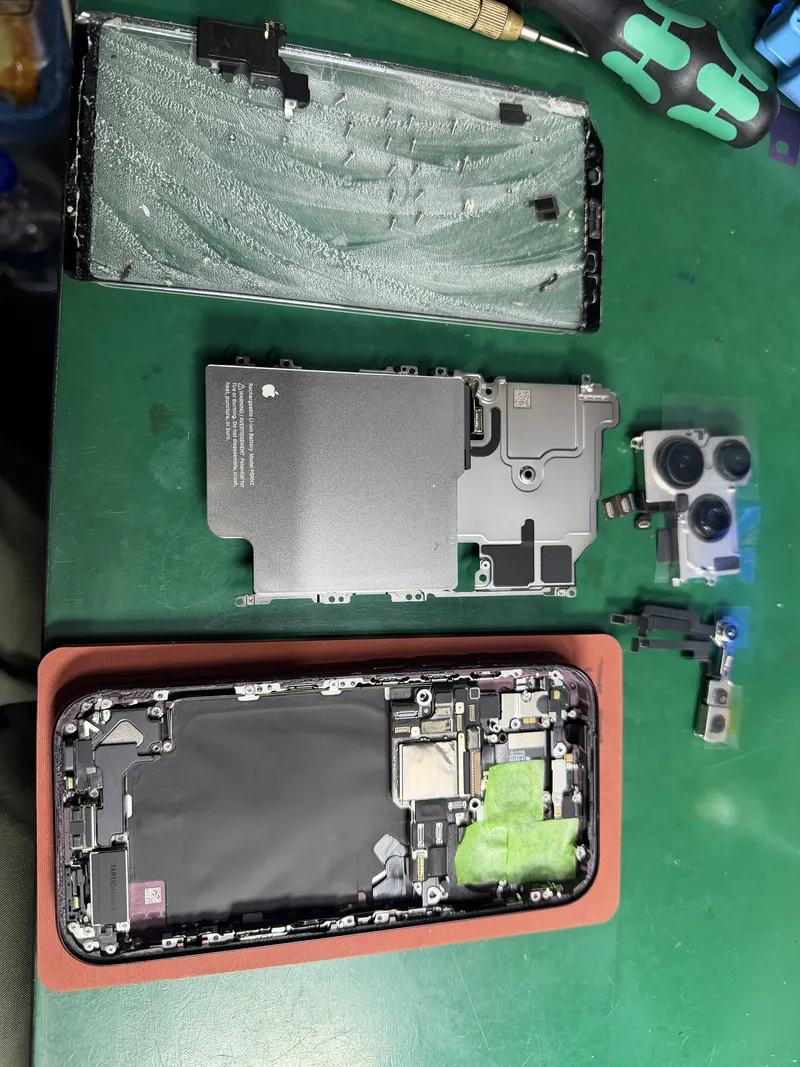
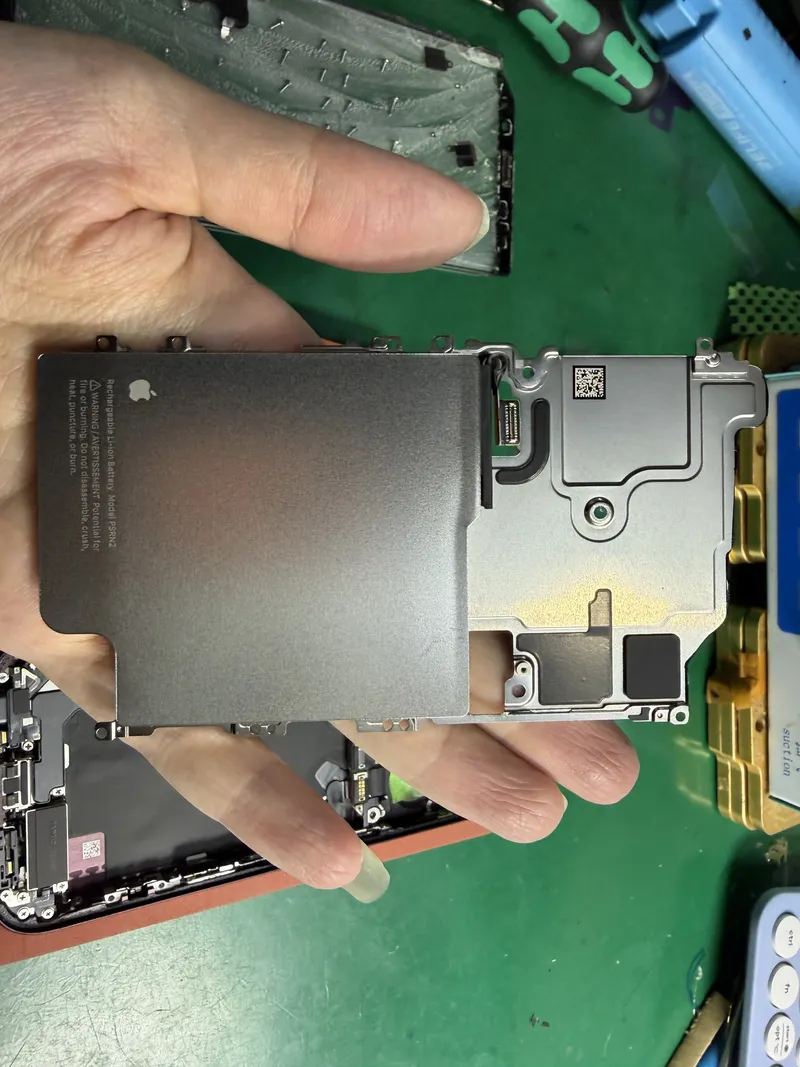
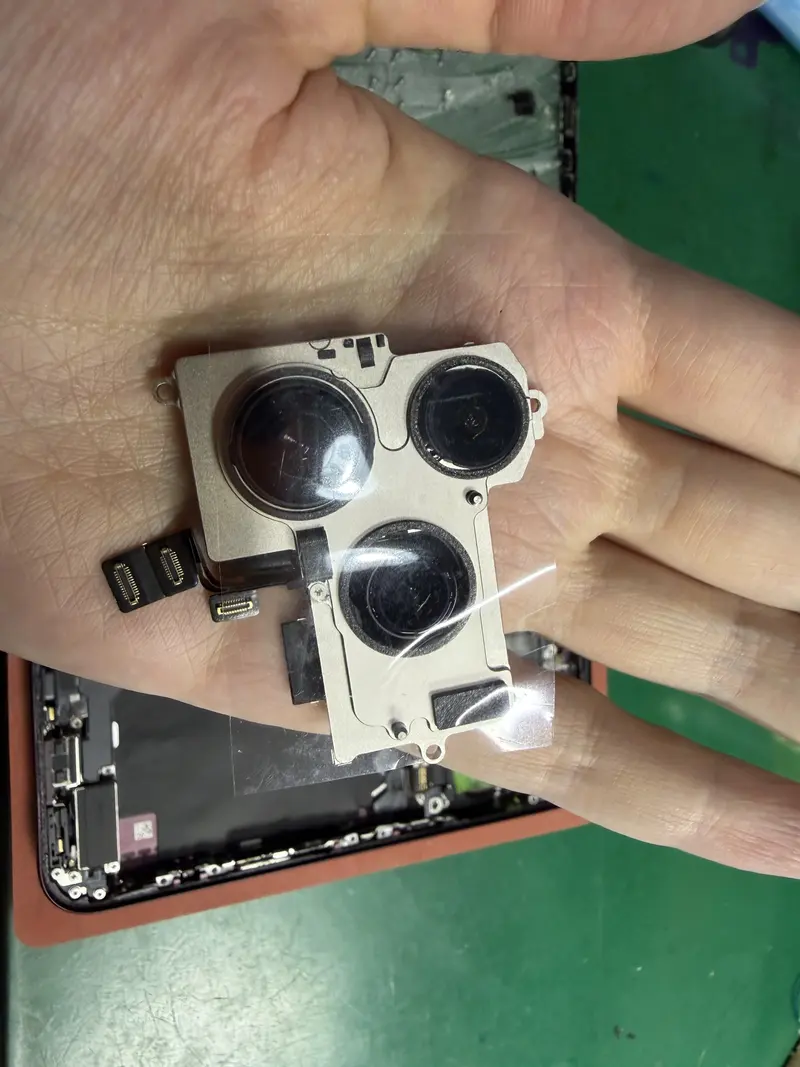
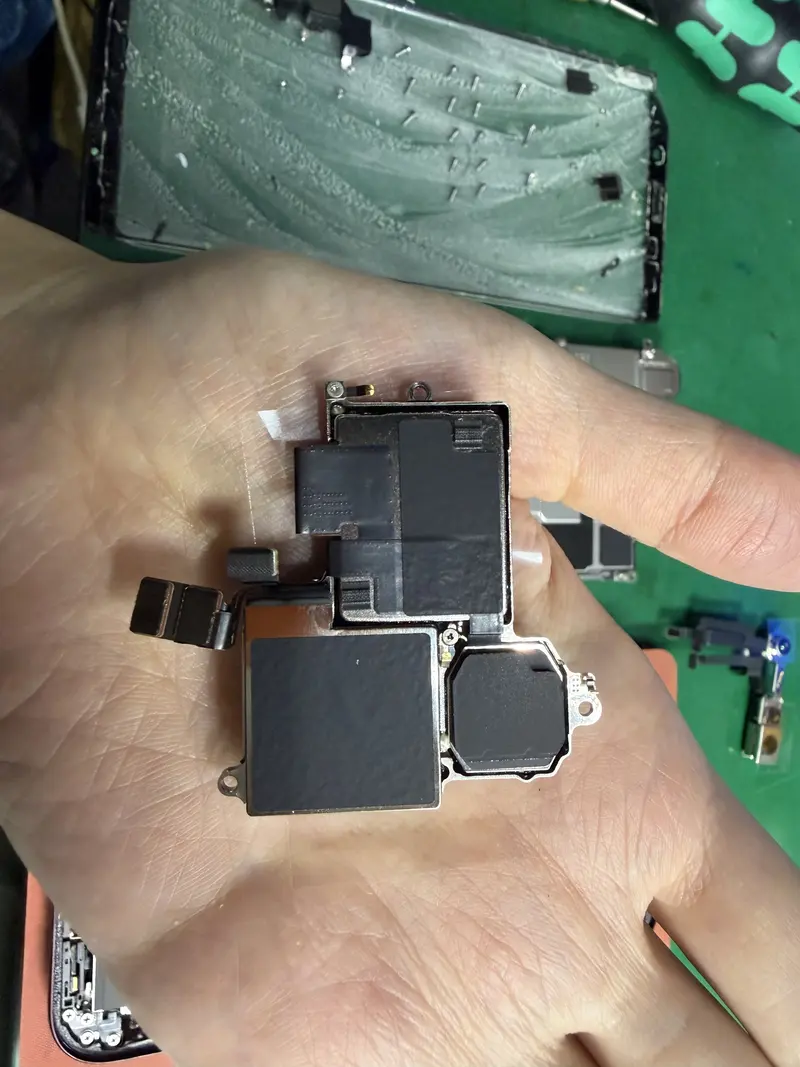
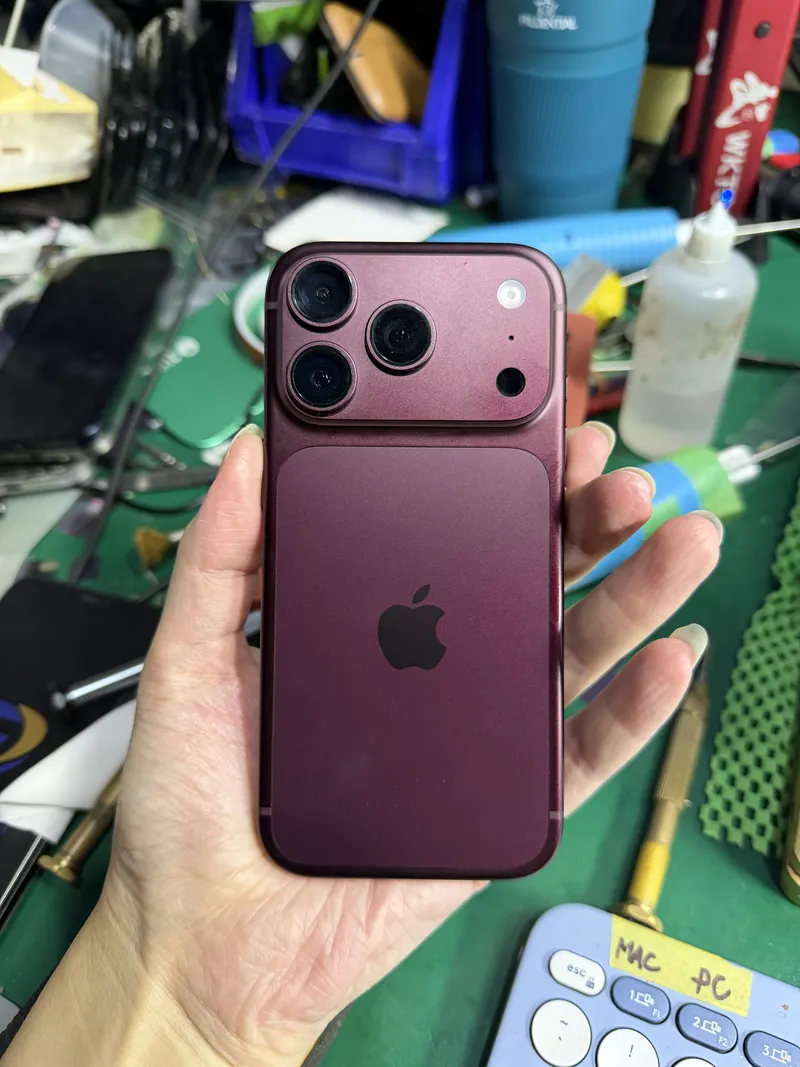
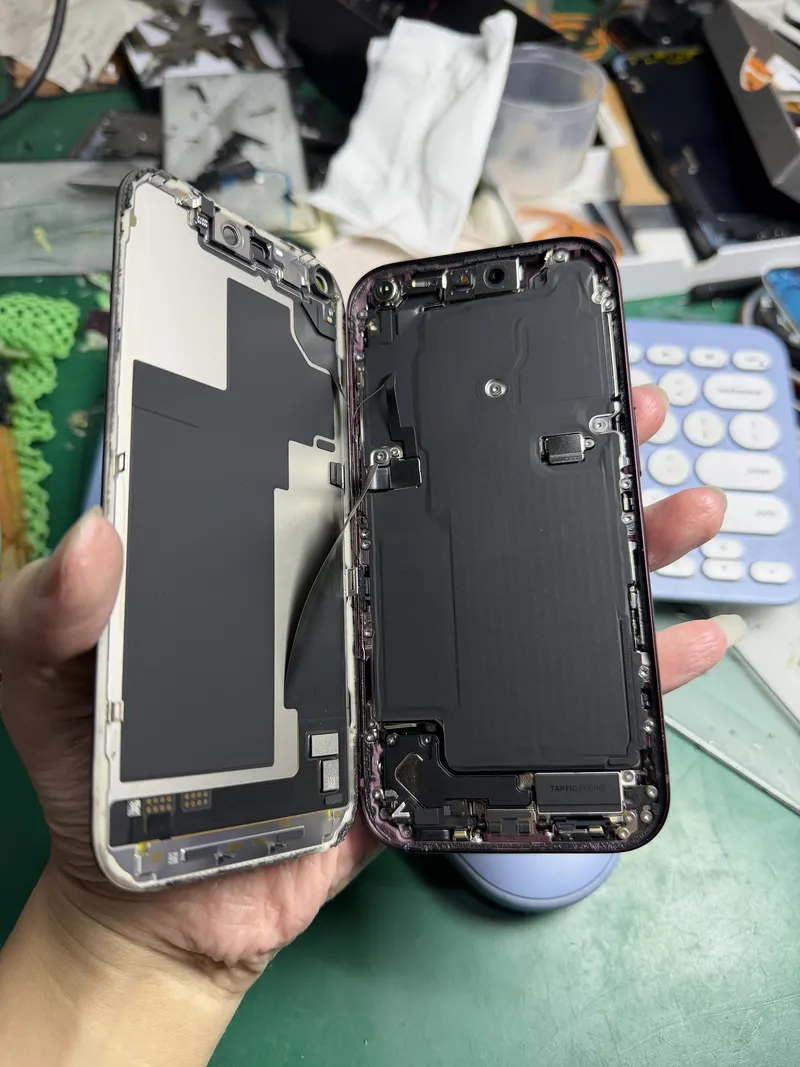
At our workshop, we do things differently from most. We never wait for someone else to post a teardown video. We buy every new iPhone model on launch day, disassemble it ourselves, test every component, and document the difficulty before we accept a single customer unit. This is how we have operated for years, and it is why we are consistently among the first in Malaysia to complete full teardowns of each new release.
Here is what we found with the iPhone 18 series, and why it matters for anyone who owns one.
Why We Cannot Just Learn This From Somewhere Else
There is a common assumption that repair knowledge is freely available online. For older models, that is partially true. For a brand new flagship, it is not.The internal layout, part tolerances, and repair procedures for a new iPhone are Apple internal secrets. iFixit publishes teardowns, but those come days or weeks after launch, and they focus on overall impressions rather than the granular, model specific techniques a working technician needs. Apple publishes a Self Service Repair manual for the iPhone 18 Pro Max, but as of late September, the parts are not even available for purchase in the Self Service Repair Store . The manual describes procedures that most people cannot perform because the tools and parts simply are not accessible yet.
This means the only way to truly understand a new iPhone is to buy one, open it, and learn from direct experience. There is no shortcut. There is no forum post that tells you the exact adhesive strength, the precise heating temperature, or the specific angle at which a flex cable will tear if you pull too hard. You learn by doing, and you learn on hardware you own, not on a customer's device.
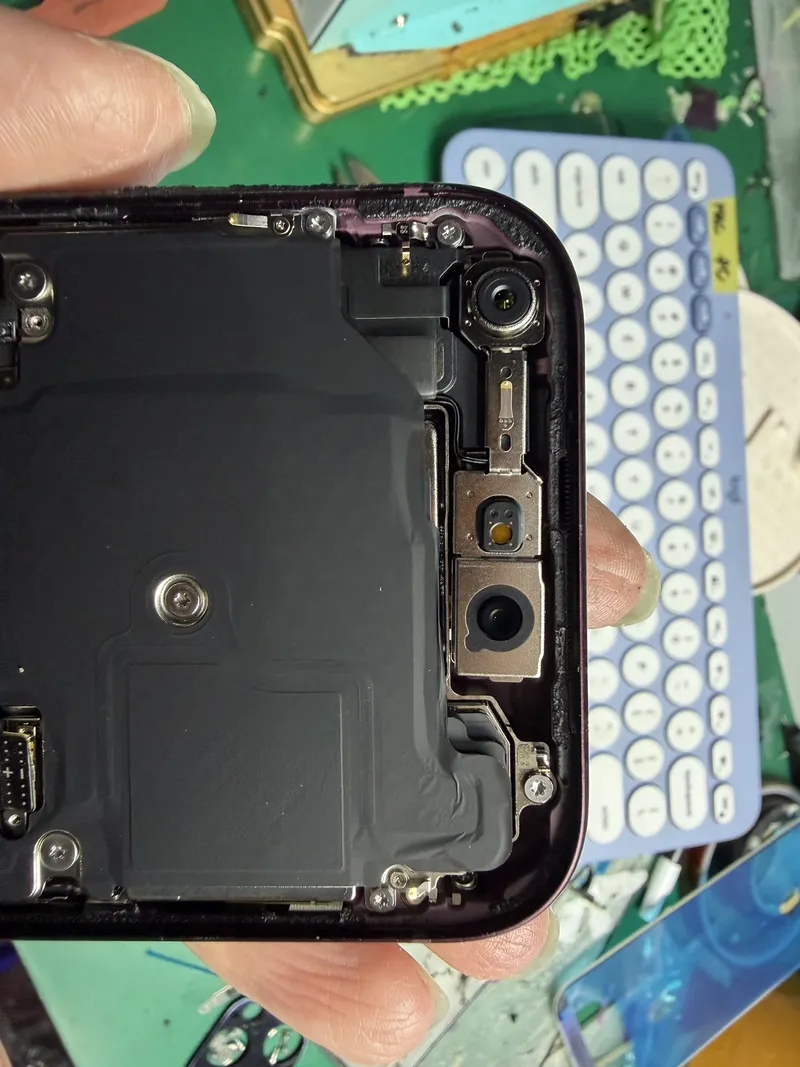
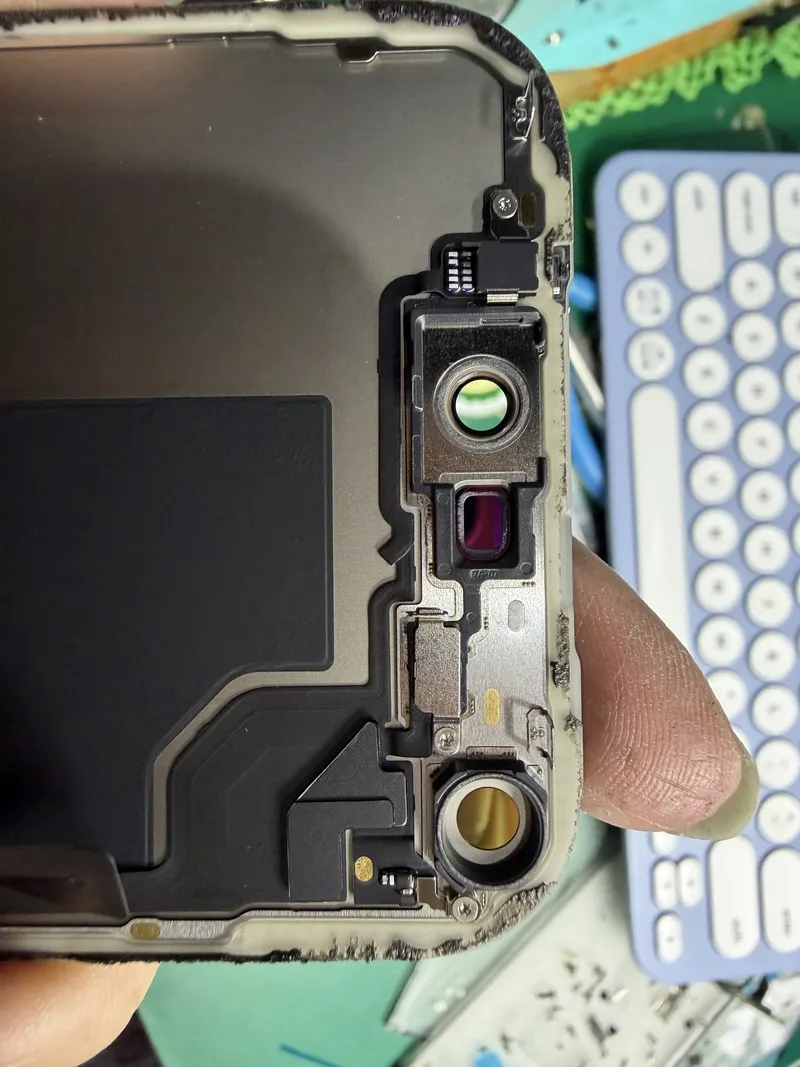
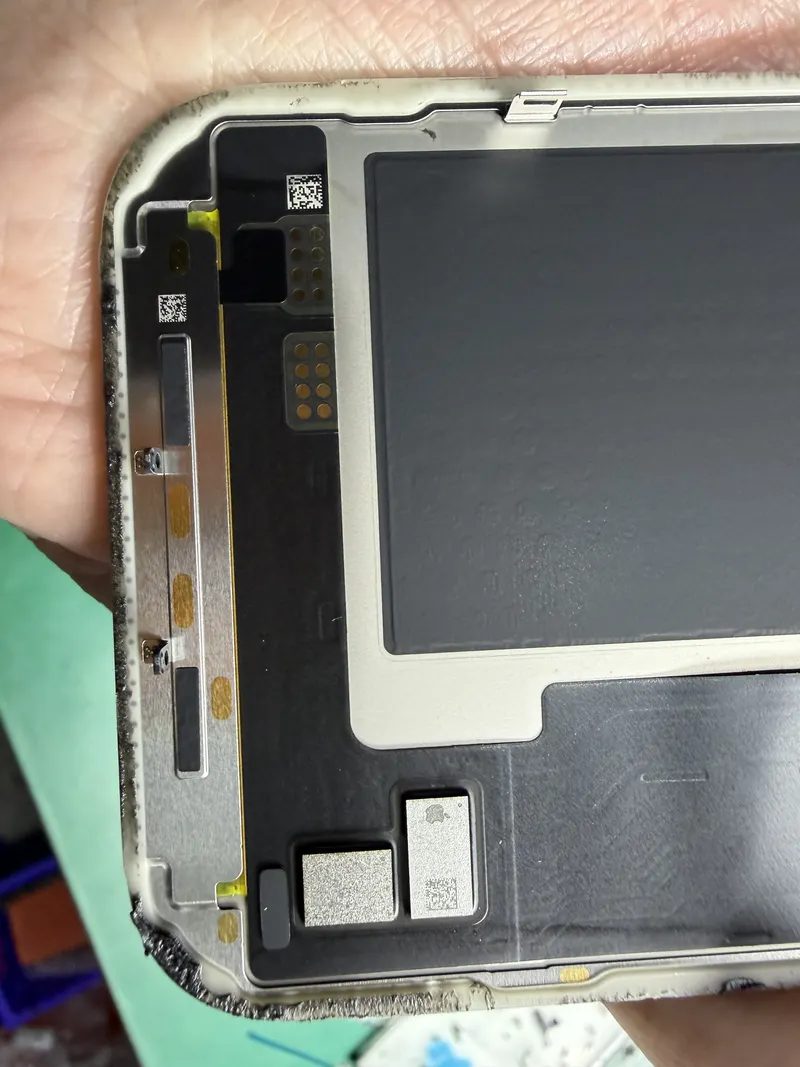
Why Glass Only Repair Is Expensive
Customers often ask why a cracked screen costs so much when the glass itself is worth only a few ringgit. The answer is risk, not material cost.
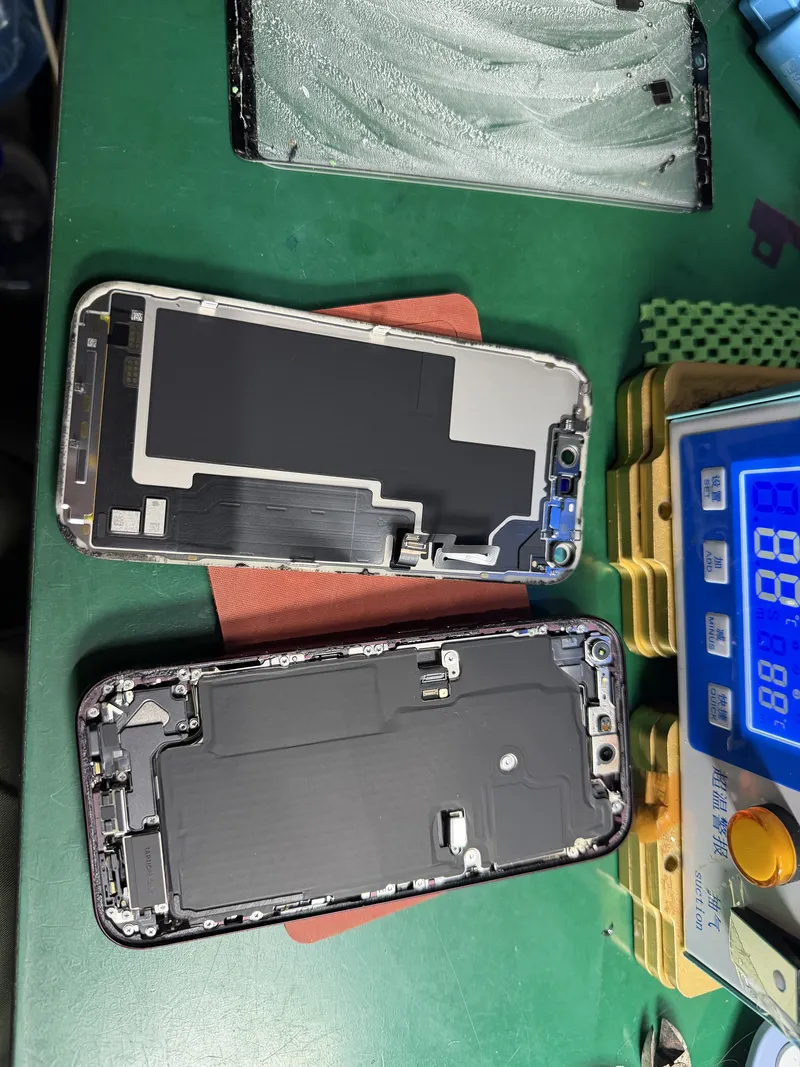
On modern iPhones, the outer glass, the touch digitizer, and the OLED display panel are bonded together into a single laminated unit. Separating the broken glass from the display requires specialized equipment, precise heat control, and significant technical skill. The process involves heating the adhesive to a specific temperature, using a wire or laser to cut through the bonding layer, and then cleaning and re laminating a new glass panel onto the display.
If anything goes wrong during this process, the display is destroyed. A single slip, a moment of excessive heat, or an imperfect separation can turn a repairable screen into a total loss.
This is why we charge approximately half the cost of a full display replacement for glass only repair. The price reflects the risk we absorb, the equipment we maintain, and the skill required to perform the procedure without damaging the display underneath. When it works, the customer saves money. When it does not, we bear the cost of a replacement display, not the customer.
The alternative is replacing the entire display assembly, which is simpler and safer but significantly more expensive. For customers who want to save money, glass only repair is the option. For customers who want guaranteed results with minimal risk, full display replacement is the safer path.
For the iPhone 18 series specifically, the fragile display frame complicates glass only repair further. If the frame is already weakened or partially separated, attempting to separate the glass adds another layer of risk. In some cases, we may recommend full display replacement even when the glass is the only visible damage, simply because the frame condition makes glass only repair too unpredictable.